

Capital budgets are tight, surgical volume keeps climbing, and new equipment lead times rarely line...
How to Reduce Surgical Equipment Costs Without Sacrificing Quality
Surgical equipment is one of the largest capital expenses a hospital or surgery center carries. Power tools, visualization systems, consoles, and displays add up quickly, and replacement cycles never seem to line up with the budget. The good news is that controlling surgical equipment cost doesn't have to mean compromising on the tools your surgeons rely on. It means buying smarter.
How Can Hospitals Reduce Surgical Equipment Costs?
Hospitals can reduce surgical equipment costs by buying professionally refurbished equipment, standardizing on one platform, extending equipment life through preventive maintenance, auditing what they actually use, and buying from specialized resellers instead of paying full list price. Together, these strategies lower both upfront spending and total cost of ownership without reducing the quality of care.
Here's how each one works.
1. Buy Refurbished Equipment From a Trusted Reseller
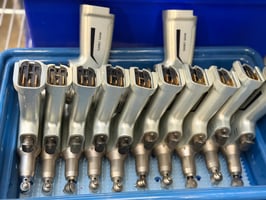
The fastest way to lower surgical equipment cost is to stop paying new-equipment prices for every purchase. High-quality surgical systems, including Stryker power tools and video platforms, are built to last years in demanding OR environments. When professionally inspected, tested, and serviced, refurbished units can perform comparably to new at a significant discount.
The key is where you buy. Look for a reseller that:
- Tests every unit before it ships
- Offers a clear warranty
- Understands model and platform compatibility
- Provides photos and serial numbers of the actual equipment
Refurbished equipment works especially well for expanding existing fleets, adding backup units, and equipping new ORs or ambulatory surgery centers.
2. Standardize on a Single Platform
Mixing brands and generations creates hidden costs. Different batteries, chargers, attachments, and cables mean more inventory to stock, more training for staff, and more complexity for biomedical engineering.
Standardizing on one platform, such as Stryker System 8 or System 9 power tools, or 1688 visualization systems, lets you:
- Share batteries and accessories across rooms
- Reduce spare parts inventory
- Simplify staff training and troubleshooting
- Buy compatible pre-owned units to grow your fleet affordably
Standardization also makes future purchases more predictable, which helps with capital planning.
3. Extend Equipment Life With Preventive Maintenance
Every year you extend the useful life of a piece of equipment is a year you don't have to replace it. Routine preventive maintenance catches small issues, like worn seals, degraded batteries, or damaged cables, before they turn into major repairs or failures mid-case.
Best practices include:
- Following manufacturer cleaning and reprocessing guidelines
- Scheduling regular inspections through your biomed team
- Tracking battery performance and replacing weak cells early
- Training staff on proper handling to prevent drops and cord damage
Well-maintained equipment costs less over its lifetime and protects OR uptime.
4. Audit Utilization Before You Buy
Many facilities own more equipment than they use, or buy new when an underused unit already sits in storage. Before approving a purchase, review:
- How often each system is actually used
- Which units are idle or sitting in other departments
- Where true shortages cause case delays
- Whether a backup unit would solve the problem more cheaply than a full new system
A utilization audit often reveals that a single refurbished handpiece or console can close the gap for a fraction of the cost of a new system. It can also identify surplus equipment you could sell to recover capital.
5. Work With a Specialized Surgical Equipment Partner
General liquidators and online marketplaces may offer low prices, but they rarely offer testing, warranties, or technical knowledge. That can turn a cheap purchase into an expensive mistake if equipment arrives incompatible or fails early.
A reseller that specializes in surgical equipment can help you:
- Confirm compatibility with your current systems
- Source hard-to-find models and accessories
- Buy back or trade in equipment you no longer need
- Plan purchases around budget cycles
The right partner reduces risk as well as cost.
Frequently Asked Questions
What is the biggest driver of surgical equipment cost? Upfront capital purchases of new equipment are usually the largest expense, followed by repairs, accessories, and replacement batteries over the equipment's life.
Does buying refurbished surgical equipment affect quality? Not when equipment is professionally tested and refurbished. Quality depends on the reseller's inspection process and warranty, so verify both before buying.
How much can hospitals save with refurbished equipment? Savings vary by model and condition, but refurbished surgical equipment is typically priced well below new.
Can surgery centers use these strategies too? Yes. Ambulatory surgery centers often benefit the most, since they tend to operate with tighter capital budgets and smaller equipment fleets.
Lower Your Surgical Equipment Costs With Northbay Medical
Northbay Medical specializes in refurbished surgical equipment, with a focus on Stryker power tools and visualization systems. Every unit is inspected and tested before it ships, and our team can help you match equipment to your existing platform so you get the right fit at the right price.
Shop in-stock surgical equipment or contact our team to talk through your next purchase.
Northbay Medical is an independent reseller and is not affiliated with, endorsed by, or sponsored by Stryker Corporation. Stryker and related product names are trademarks of their respective owner.